
Composting for beginners sets the stage for this enthralling narrative, offering readers a glimpse into a story that is rich in detail with casual formal language style and brimming with originality from the outset.
Composting is not just a gardening practice; it’s a way to reduce waste, improve soil health, and contribute positively to the environment. In this guide, we will explore the basics of composting for beginners, covering everything from setting up your compost pile to troubleshooting common issues. Get ready to embark on a journey towards a greener lifestyle!
Introduction to Composting for Beginners
Composting is the process of breaking down organic matter, such as food scraps and yard waste, into nutrient-rich soil. This natural recycling process is not only beneficial for the environment but also a great way to reduce waste and create a sustainable gardening practice.
Benefits of Composting for the Environment
Composting helps reduce the amount of waste that ends up in landfills, where it can produce harmful greenhouse gases. By composting organic materials, you can help reduce your carbon footprint and contribute to a healthier planet.
How Composting Works in Breaking Down Organic Matter
Composting works by providing the right conditions for microorganisms, such as bacteria and fungi, to break down organic matter. These microorganisms require oxygen, water, and the right balance of carbon and nitrogen to thrive and decompose the materials into nutrient-rich compost.
Getting Started with Composting
When starting your composting journey, it’s essential to have the right tools and materials to ensure successful decomposition of organic waste.
Identifying Suitable Containers for Composting
Choosing the right container for composting is crucial in maintaining a healthy compost pile. Here are some common options:
- Compost Bins: These enclosed containers help retain heat and moisture, speeding up the composting process.
- Wire Bins: Simple and cost-effective, wire bins provide good aeration for the compost pile.
- Tumblers: These rotating containers make turning the compost easier and faster.
Types of Materials that Can Be Composted
Composting involves a mix of “greens” (nitrogen-rich materials) and “browns” (carbon-rich materials) to create a balanced environment for decomposition. Here are examples of each:
| Greens (Nitrogen-rich) | Browns (Carbon-rich) |
|---|---|
| Vegetable scraps | Dead leaves |
| Coffee grounds | Newspaper |
| Grass clippings | Straw |
Importance of Balancing Greens and Browns in Compost
Ensuring a proper balance of greens and browns in your compost pile is crucial for efficient decomposition. Greens provide nitrogen for microorganisms, while browns offer carbon for energy. Without this balance, your compost may become too wet or too dry, slowing down the process.
Composting Methods for Beginners
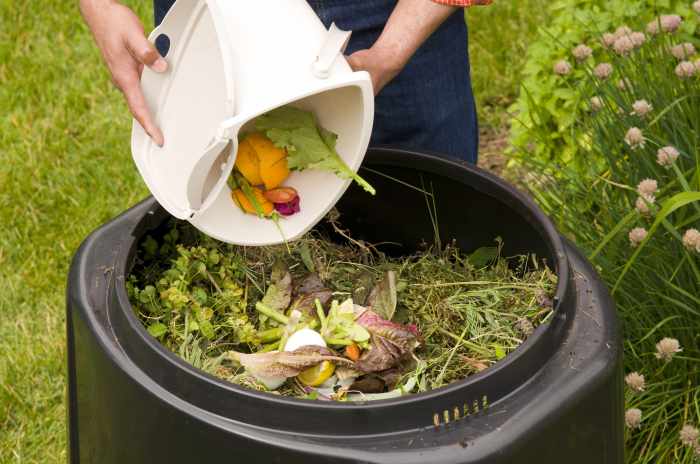
Starting your composting journey can be exciting and rewarding. There are different methods to choose from, including traditional composting and vermicomposting. Each method has its own set of benefits and requirements, so let’s dive into the details.
Traditional Composting vs. Vermicomposting
Traditional composting involves using organic materials like kitchen scraps, yard waste, and leaves to create a nutrient-rich soil amendment. This method relies on the natural decomposition process, aided by microorganisms, to break down the materials. On the other hand, vermicomposting utilizes worms, specifically red wigglers, to accelerate the composting process. The worms consume the organic matter and produce castings, which are rich in nutrients and beneficial microorganisms.
Starting a Compost Pile
To start a compost pile using the traditional method, follow these steps:
- Choose a suitable location for your compost pile, preferably in a shaded area.
- Layer brown materials (e.g., dried leaves, straw) with green materials (e.g., kitchen scraps, grass clippings) to create a balanced mix.
- Keep the pile moist but not soggy, and turn it regularly to aerate the compost and speed up decomposition.
- Avoid adding meat, dairy, or oily foods to prevent odors and attract pests.
- Patiently wait for the materials to break down into dark, crumbly compost, which can take a few months to a year depending on the conditions.
Composting in Small Spaces
If you live in an apartment or urban setting, you can still compost effectively. Consider using a compost bin or vermicomposting system that fits your space constraints. These compact solutions allow you to compost indoors or on a balcony without producing foul odors or attracting pests. Remember to monitor the moisture levels and feed your composting system regularly to maintain a healthy environment for decomposition.
Troubleshooting Common Composting Issues
When composting, it’s important to be able to identify signs of a healthy compost pile and address common problems that may arise. This will help ensure a successful composting process and avoid any setbacks.
Signs of a Healthy Compost Pile
- A healthy compost pile should have a dark, crumbly texture, resembling soil.
- It should have an earthy smell, indicating that decomposition is occurring properly.
- The pile should be warm to the touch, which shows that microbial activity is taking place.
Common Problems and Solutions
- Bad Odors: If your compost pile has a foul smell, it may be too wet or lack enough oxygen. To remedy this, turn the pile to aerate it and add more dry materials like leaves or shredded paper.
- Pests in Compost: Common pests in compost include flies, ants, and rodents. To deter pests, avoid putting meat, dairy, or oily foods in the compost. You can also cover the pile with a breathable material to prevent pests from accessing it.
- Slow Decomposition: If your compost pile is not breaking down as quickly as expected, it may need more nitrogen-rich materials like grass clippings or kitchen scraps. Turning the pile more frequently can also help speed up decomposition.
Harvesting and Using Compost
When compost is ready for use in the garden, it will have a dark brown color, a crumbly texture, and an earthy smell. This usually takes about 2-3 months, but can vary depending on factors like temperature and moisture levels.
Process of Harvesting Compost
To harvest compost, start by stopping adding new materials to the compost bin for a few weeks. This allows the remaining materials to break down completely. Then, use a shovel or compost fork to turn and mix the compost to aerate it. After a few more weeks, the compost should be ready to use. You can then sift out any large debris or undecomposed materials before using the compost in your garden.
Creative Ways to Utilize Compost
- Use compost as a mulch around plants to help retain moisture and suppress weeds.
- Create compost tea by steeping compost in water and using the nutrient-rich liquid to feed your plants.
- Top-dress your lawn with compost to improve soil health and promote lush growth.
- Mix compost with potting soil to create a nutrient-rich blend for container plants.
- Add compost to your vegetable garden to enrich the soil and boost plant growth.
Benefits of Composting for Beginners
Composting offers a wide range of benefits that not only help the environment but also improve soil health and plant growth. By diverting organic waste from landfills and reducing greenhouse gas emissions, composting plays a crucial role in promoting sustainability.
Environmental Impact of Composting
Composting helps reduce the amount of organic waste sent to landfills, where it would otherwise break down anaerobically and produce methane, a potent greenhouse gas. By composting, we can significantly lower greenhouse gas emissions and mitigate the impacts of climate change.
Improving Soil Health and Plant Growth
Compost is a nutrient-rich soil amendment that enhances soil structure, increases water retention, and provides essential nutrients for plant growth. When added to garden beds or used as mulch, compost promotes healthy root development and boosts overall plant vitality.
Reducing Waste and Landfill Usage
Composting diverts organic materials like food scraps, yard waste, and paper products from ending up in landfills, where they would contribute to the generation of harmful methane gas. By composting these materials instead, we can reduce the strain on landfills and minimize the need for additional waste disposal sites.
Related Topics
When it comes to composting, there are several related topics that can enhance your understanding and application of this sustainable practice.
Home Inspections
During home inspections, it is important to check for the proper setup of composting systems to ensure they are functioning correctly and not causing any issues.
Kitchen Improvements
- Consider incorporating a designated composting area into your kitchen design to make it easier to dispose of organic waste and create nutrient-rich compost.
Home Improvement and Furniture
- Explore eco-friendly composting solutions that can be integrated into various home improvement projects, ensuring sustainability in every aspect of your living space.
Flooring
- Discuss different flooring options that are suitable for indoor composting setups, taking into consideration factors like moisture resistance and durability.
Furniture
- Learn how to upcycle old furniture pieces to create functional components for your composting systems, adding a touch of creativity and sustainability to your home.
Green Living
- Understand how composting aligns with a sustainable lifestyle, promoting environmental consciousness and responsible waste management practices.
Interior Design and Decorating
- Find ways to aesthetically integrate composting bins into your home interiors, blending functionality with style for a harmonious living space.
Bath and Shower
- Discover the benefits of using organic compost in bath and shower areas for plant care, promoting natural growth and sustainability in your home environment.
House Plans
- Consider incorporating designated composting areas into your house blueprints to ensure a seamless integration of sustainable practices into your living space.
Feng Shui
- Explore how composting practices can align with Feng Shui principles, creating a harmonious balance between sustainability and energy flow in your home environment.
Home Improvement
- Engage in DIY composting projects to enhance your home improvement skills while contributing to a greener and more sustainable lifestyle.
Heating and Air Conditioning
- Implement energy-efficient composting solutions to help maintain indoor temperature balance, reducing the environmental impact of traditional heating and cooling systems.
As we conclude our discussion on composting for beginners, it’s evident that this eco-friendly practice offers a myriad of benefits for both the environment and your garden. By embracing composting, you’re not just recycling organic waste; you’re nurturing the earth and fostering sustainable living. Start your composting journey today and watch your garden thrive!
Frequently Asked Questions
How often should I turn my compost pile?
It’s recommended to turn your compost pile every 1-2 weeks to aerate it and speed up the decomposition process.
Can I compost citrus peels and onions?
Avoid composting citrus peels and onions as they can slow down the decomposition process and attract pests.
What should I do if my compost pile smells bad?
If your compost pile smells bad, it might be too wet or have too much nitrogen-rich material. Add more browns like dry leaves or paper to balance it out.


